

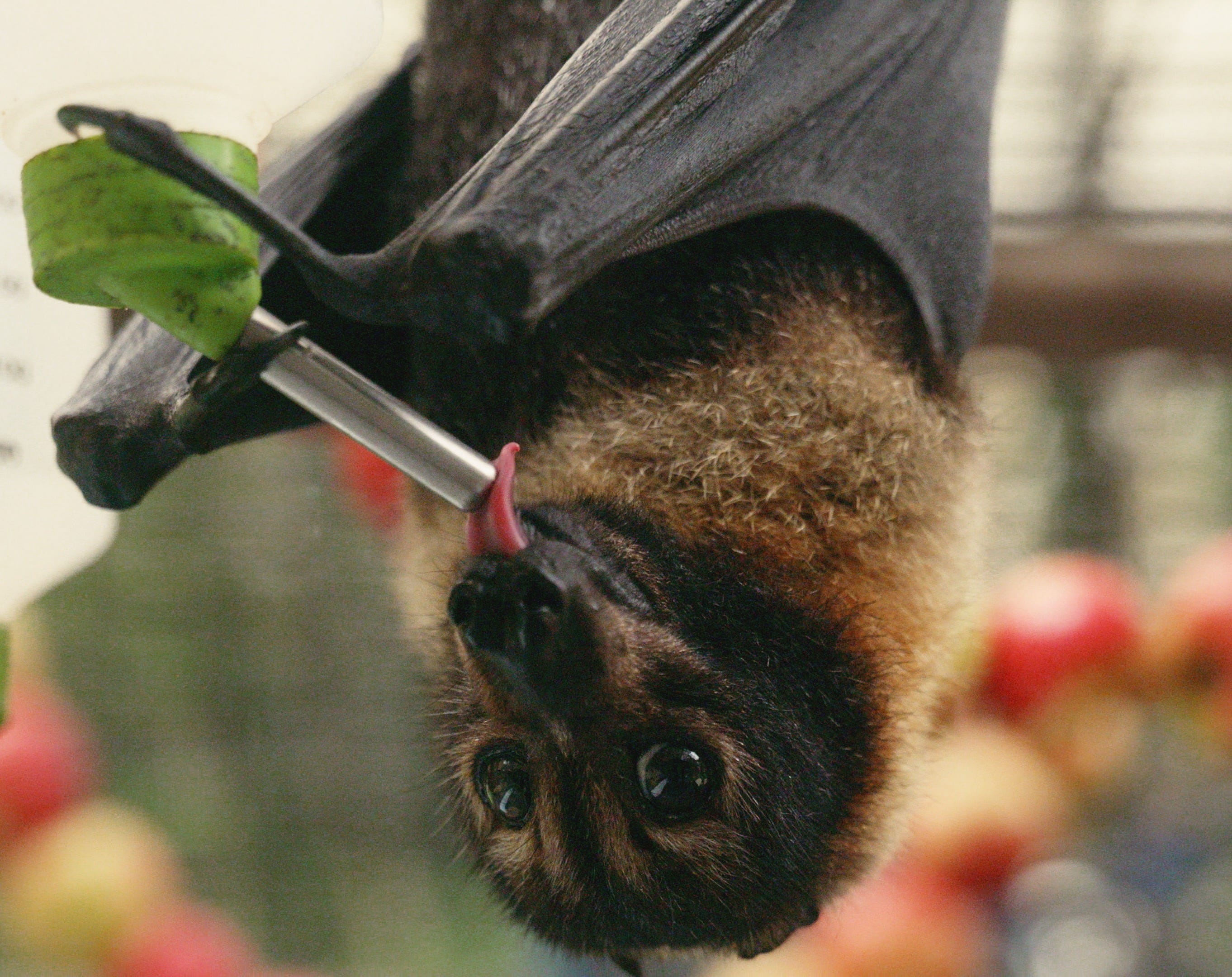
Watch the video here:
I came to this bat hospital thinking I knew what I believed about bats. Turns out, I had no idea why I believed it.
See, I’ve been afraid of bats my whole life. Not because of anything I’d actually experienced, but because I accepted what I was told without ever questioning it.
Once I was willing to look, I realized these bats were about to teach me something I desperately needed to learn.
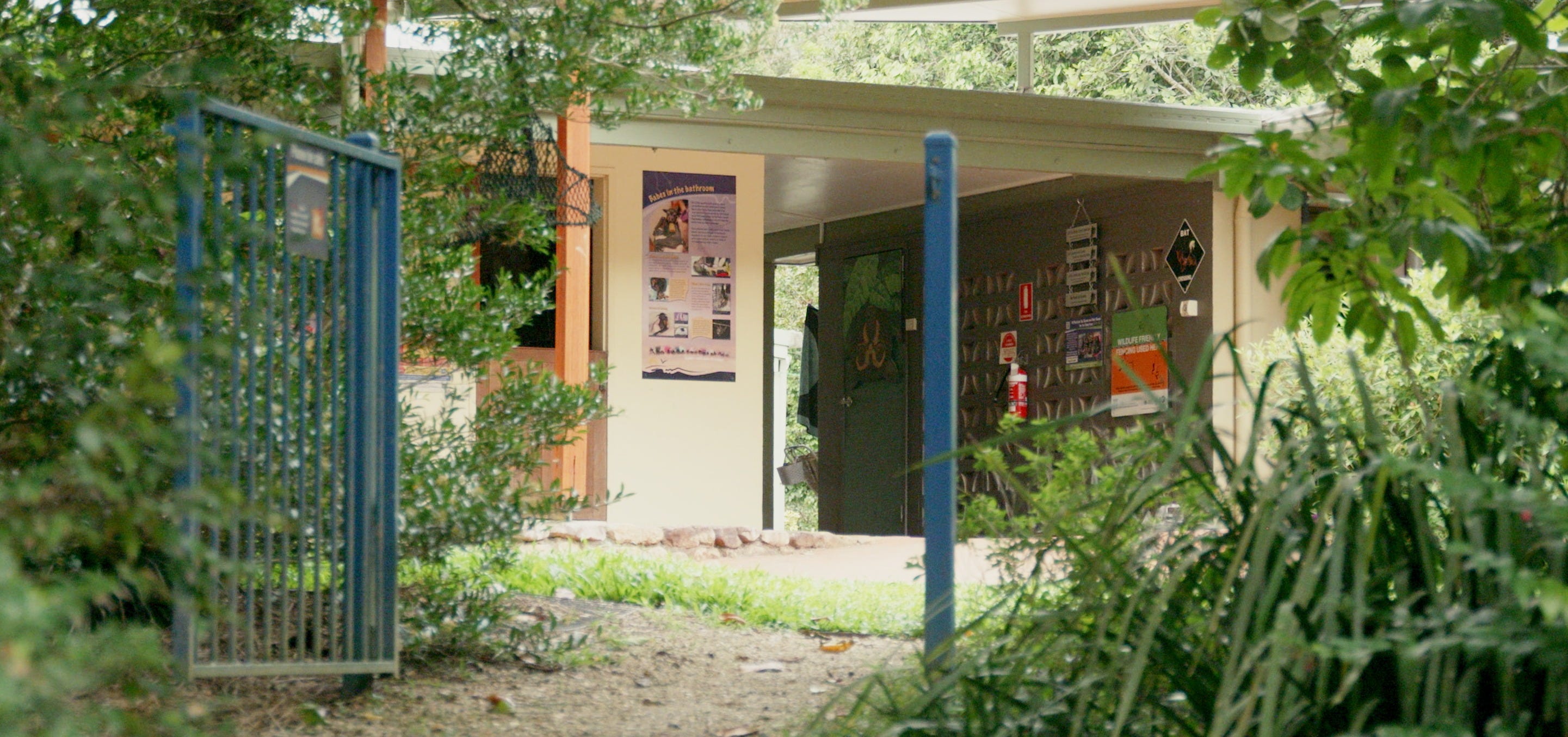
This is the Tolga Bat Hospital in Queensland, Australia.
They exist because most people get bats completely wrong.
They provide rescue services to rehabilitate injured and orphaned bats. They educate the public, teachers, students, and are active in conservation and habitat improvements.
When I first looked into this rescue, I kind of wondered why it was necessary. I mean, haven’t we been doing a decent job of talking about the benefit of bats over the last few decades? Yeah, I guess not.
Even though I’m here visiting bats and I have some kind of fascination with them, I have a prejudice stemming from when I was a little kid. My grandmother hated bats. Every time we visited her in Arizona, she had me and her grandkids go out and... deal with them. And that’s a part of my life I’m not fond of.
Since then I’ve had an open opinion about bats towards anyone that brought them up. This wasn’t broadcasting a mission - I didn’t have a stake in this. But I didn’t hold back in telling other people that I felt bats were no good.
I was perpetuating what my grandmother taught me.
Of course, I understood then that there were legitimate safety concerns with bats and rabies. I held onto that rigid belief for most of my life.
But I never questioned why I believed it.
And the stakes for better understanding were never high, as I wasn’t directly affected.
I was about to find out what happens when that box is directly challenged.
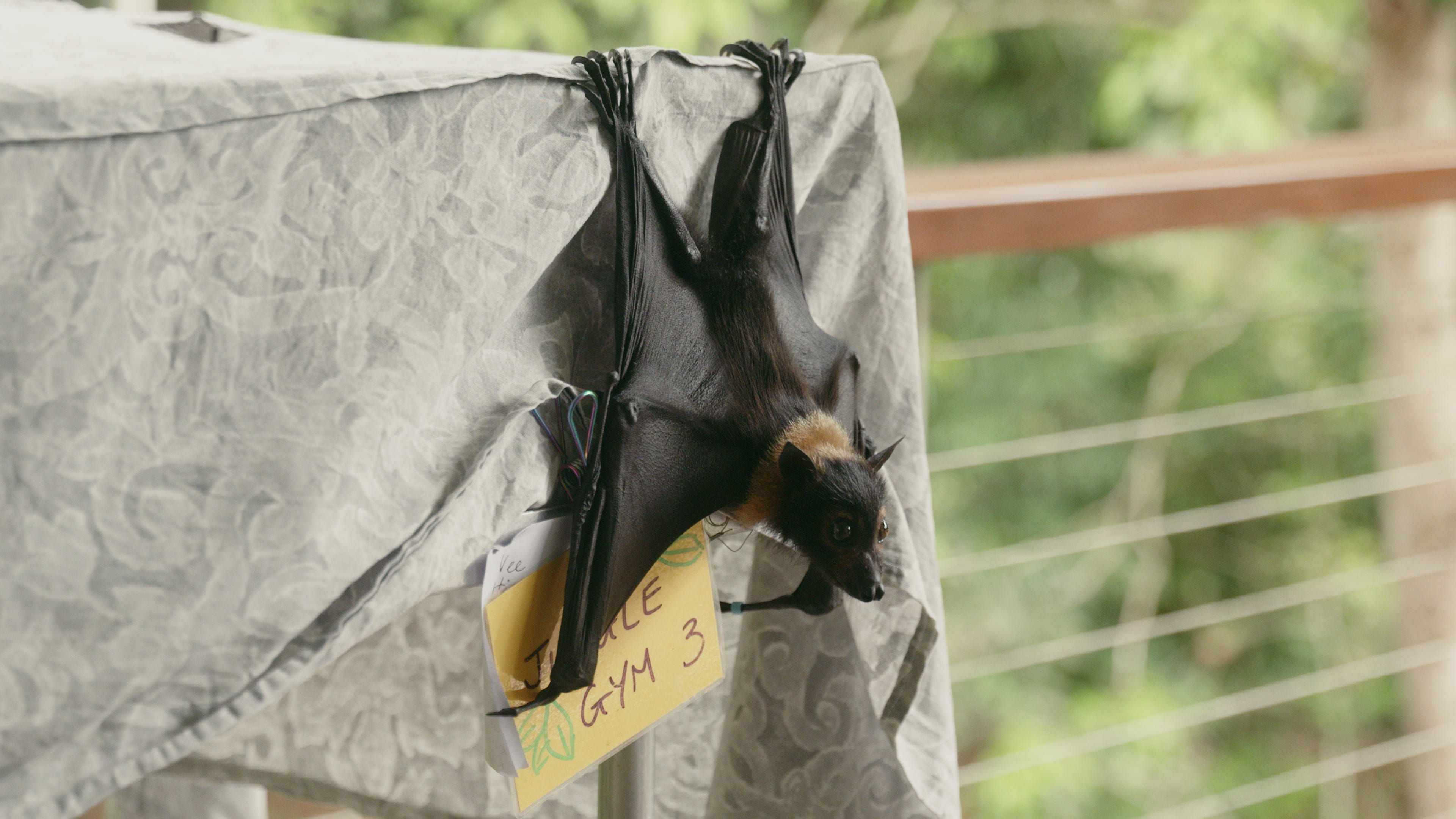
What you’ll see here are primarily Flying Foxes.
Our group toured the small facility and it was explained that these bats are a keystone species - crucial for long range pollination. This is part of what I did know, but what I didn’t is that the diseases heavily associated with bats are largely misunderstood. According to their website, “Irrational fear of diseases in bats is an impediment to the conservation of flying foxes in Australia and other countries.”
I was starting to question what I thought I knew
What struck me the most was the protectiveness and care being provided. To me this went beyond simple care and rehabilitation for what I thought was at best a ‘useful critter’.
These bats are loved.


I didn’t expect to see hand feeding - tiny bottles held to tiny mouths. Or bats swaddled in blankets like newborns, clinging to the fabric with their small clawed thumbs.
I didn’t even realize until later this is a volunteer organization.
It made me wonder what that took. What did they see that I wasn’t?
I think about how easily I let this belief become inherited. The larger societal opinion is that bats are gross and dangerous, even if through some effort through the previous decades they’re known as ‘useful’ despite that negative feeling.
I don’t think just knowing that they have a place got me far enough, though.
Most people feel a type of way about bats. Or at least I fit myself within a certain group that did. So, that made sense.
My logic was clear enough. If what I believed made me feel safe, that was all I needed. Even if incompletely, I had enough of an answer and I didn’t have to look further.
But as I watched the love of the bats come through, I knew at my core I was missing something important. I was letting a limiting belief and fear decide what I felt about something else, rather than an understanding of them.
I had to do something about that.
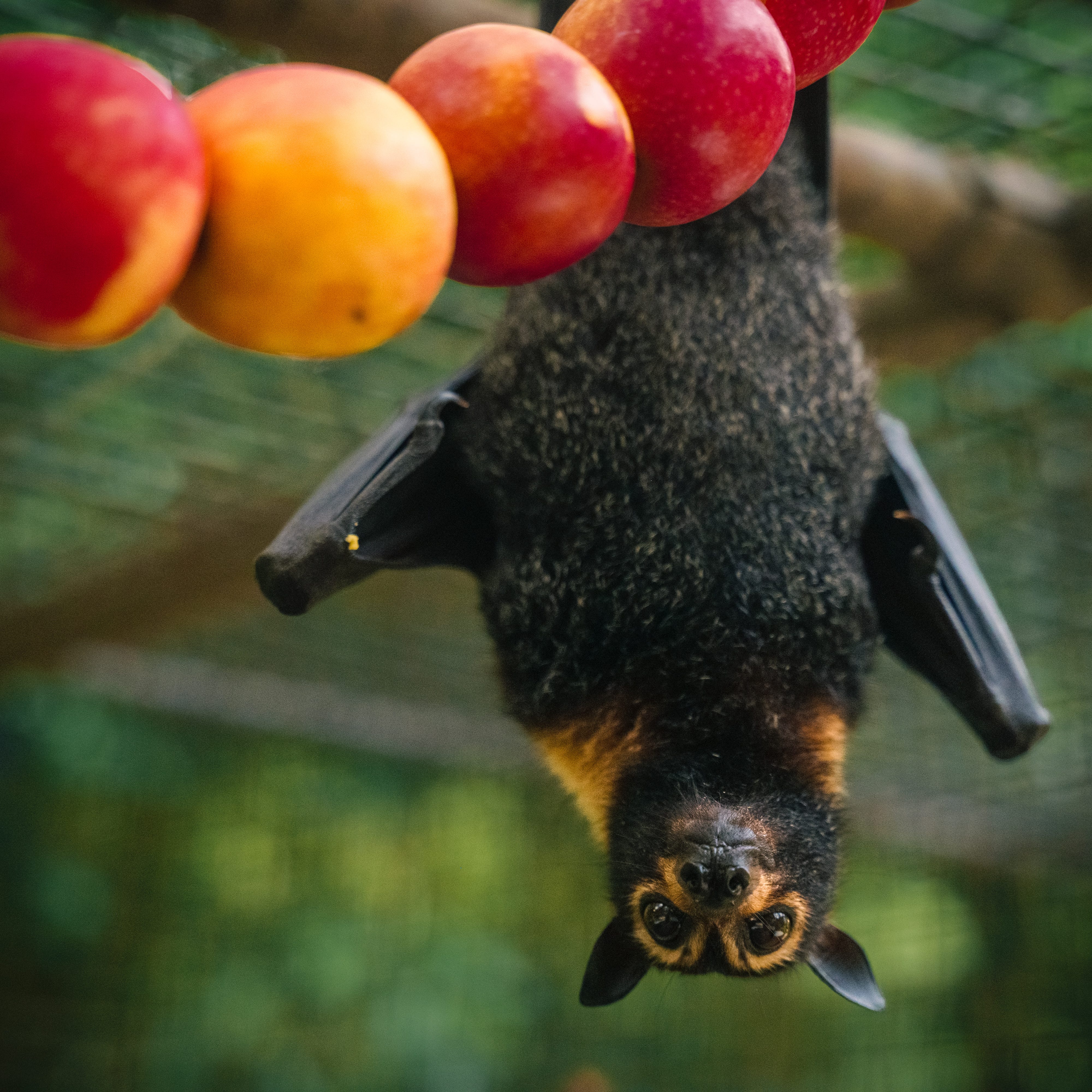
There are some requirements for changing a judgement and part of that is creating and allowing for the opportunity itself.
One of the reasons I bring my camera with me is because it forces me to connect with whatever my subject is. I’m watching it. Taking it in. Often times, appreciating it.
And I am unable to just move on. Getting a good shot takes time. I’m not a passive audience in a museum moving from one talking point to the next.
I have to sit in it.
It isn’t lost on me that my realization that I was wrong is followed by the gift of being able to admit it. I mean okay you can say “it’s just bats, this isn’t that deep.” But this isn’t just about that for me.
It makes me question what else I put into a stupid little box because of a fear, which is just easier for me if it stays there.
It makes me wonder what I’m missing because of being stuck in that - what other wonder of life and appreciation I could be holding and embracing and being enriched with.
Today, I try to take stock of other bias or prejudice I hold.
If you were to survey yourself right now, you’ll likely come up blank. Why would you do it then? Because it leads to the most important result: the humility to be wrong.
This is more critical than even I realized.
It is the ability to ask yourself that question - even when it draws up blank:
“What am I missing here?”
What I’m fostering today isn’t perfect self-awareness, it is my willingness to ask that question and confront my beliefs.
You’ve likely already met circumstances that challenge your belief, and you’ll absolutely encounter more in the future.
How will you spot this?
There is likely a negative belief and along with it, a lack of direct experience around that belief. Look for how you filter information to confirm your belief or if your belief carries an emotional charge.
The most difficult step is being open once you are challenged - to go looking for the answers that would prove your belief wrong.
It’s scary.
There are many reasons why you don’t have to go looking. But if you do, you’ll inevitably be met with compassion and gain a life with deeper connections than you had before.